
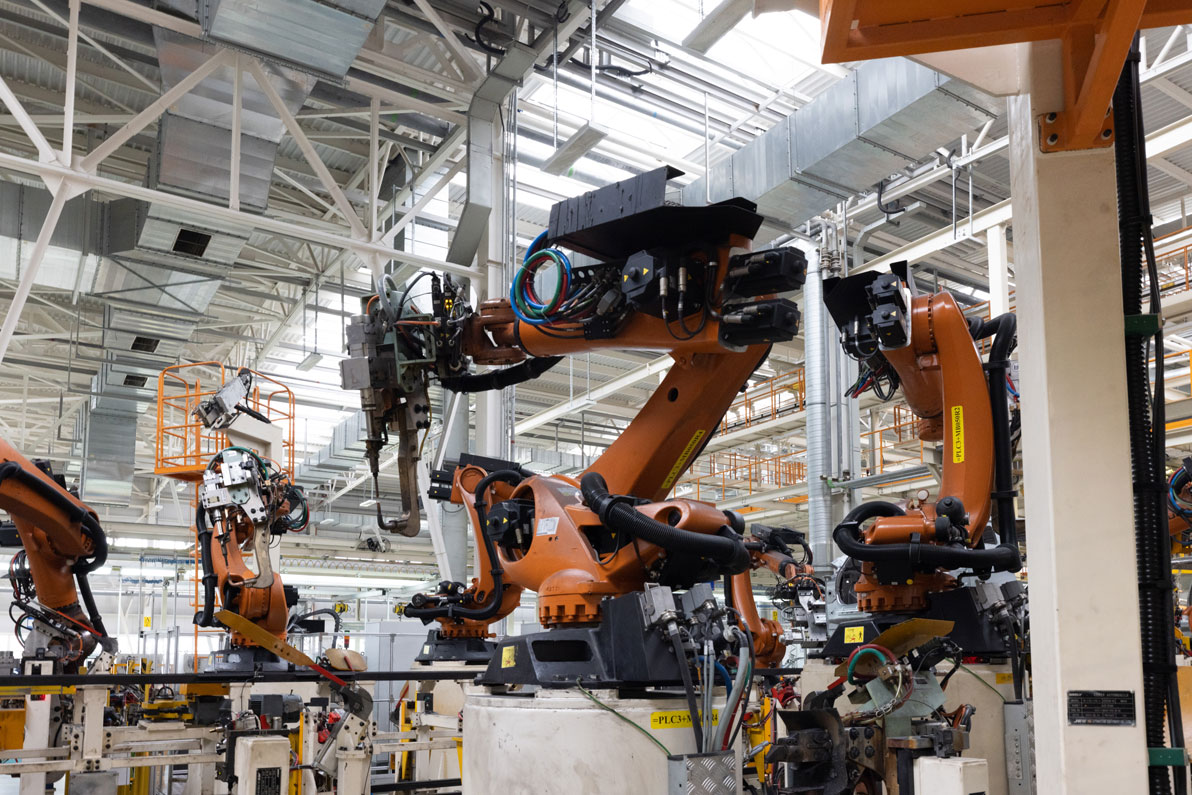
In today’s manufacturing world, sustainability is no longer a choice—it’s a necessity. Environmental pressures, rising costs, and stricter regulations make sustainable manufacturing a core focus for companies committed to long-term success. As a manufacturing industry professional, you’re likely aware of the immense challenges this poses: from reducing emissions to efficiently using raw materials, achieving sustainability in manufacturing is complex and multifaceted. However, one powerful tool for realising sustainable manufacturing is automation.
Automation in manufacturing isn’t just about efficiency and cost savings; it plays a pivotal role in reducing waste, conserving energy, and enhancing resource efficiency. In this blog, we’ll explore why automation is essential for sustainable manufacturing, looking at both the environmental and operational benefits. As part of your journey toward sustainability, Blum-Novotest UK is here to support you with industry-leading automation products, services, and insights that drive efficiency and green manufacturing practices.
How Automation Contributes to Sustainable Manufacturing
Energy Efficiency and Emission Reduction
Manufacturing processes can be energy-intensive, and automation helps to reduce this impact by minimising energy waste. Automated systems can regulate power usage, ensuring that machinery operates only when necessary and shuts down during inactive periods. For instance, advanced machine tools with energy-saving modes or programmable controllers can lower the overall consumption footprint. Additionally, automating processes like material handling, welding, or assembly means that machines operate optimally, reducing idle time and thus cutting down on emissions. As a result, manufacturers using automation often see a reduction in both energy costs and carbon footprint.Blum-Novotest’s range of automation solutions for machine tool optimisation is designed to integrate seamlessly with existing systems, enhancing both energy and time efficiencies. This approach not only saves energy but also aligns with many companies’ sustainability goals, supporting compliance with industry standards for emissions and energy use.
Reduction in Material Waste
Waste reduction is at the heart of sustainable manufacturing, and automation is key in achieving this goal. Automated systems can perform precise measurements and consistently monitor quality, leading to fewer rejected parts and less raw material waste. Additionally, automation reduces human error and ensures that each product meets stringent standards, reducing the likelihood of rework or disposal. Technologies such as in-line inspection systems or laser measuring systems help manufacturers keep an eye on quality in real time, identifying potential defects early and saving on materials. Blum-Novotest offers a variety of laser measuring solutions and inspection systems that provide real-time data, improving production accuracy and reducing material consumption.
Improving Production Efficiency and Minimising Downtime
Automated systems streamline production processes, often completing tasks faster and with greater accuracy than manual methods. This improvement in efficiency translates to quicker cycle times and higher output with fewer resources. Importantly, automation can also help minimise downtime by enabling predictive maintenance. With automation, sensors and data analysis tools can monitor machinery conditions continuously, providing real-time insights that enable manufacturers to perform maintenance before a breakdown occurs. This proactive approach ensures optimal use of resources and keeps the production line running smoothly without unnecessary delays or disruptions. For example, Blum-Novotest offers predictive maintenance solutions that use advanced sensors to provide insights into machinery health, alerting operators when maintenance is required. This not only enhances production efficiency but also extends the lifespan of equipment, reducing waste and lowering costs in the long term.
Resource Conservation and Process Optimisation
By optimising production lines, automation enables manufacturers to make the best possible use of resources, from energy to raw materials. Lean manufacturing principles focus on eliminating unnecessary steps in the production process, and automation makes this feasible by standardising workflows and minimising variability. Additionally, automated systems can improve product tracking and inventory management, reducing waste associated with overproduction or excess inventory. Automated data collection allows manufacturers to track and analyse resource usage more accurately, helping identify areas for further improvement in sustainability practices.
Enhanced Data for Smarter Decision Making
Automation enables manufacturers to collect vast amounts of data across the production process, which can be analysed to identify inefficiencies, predict issues, and implement more sustainable practices. For instance, data on energy consumption, equipment usage, and material waste can highlight areas for improvement and help guide strategies that further reduce environmental impact. Automated data collection also means manufacturers can report on sustainability efforts with greater accuracy and transparency, a key requirement in today’s market. With companies like Blum-Novotest providing innovative automation solutions for monitoring and data collection, manufacturers have the insights they need to make more informed and sustainable decisions.
Increased Safety and Reduced Risk
Sustainable manufacturing also involves creating a safer working environment. Automation enables workers to step back from potentially hazardous tasks, reducing the risk of injury and creating a safer workplace. By automating repetitive or dangerous jobs, manufacturers can reduce the likelihood of accidents and improve overall employee well-being.
This approach not only meets safety requirements, it also aligns with sustainable manufacturing’s social responsibility goals. Blum-Novotest’s automated systems are designed with safety features that protect workers while increasing overall productivity, making them ideal for manufacturers striving for safer, greener production lines.
Embracing Automation: A Smart Investment in Sustainability
While implementing automation requires an upfront investment, the benefits—reduced operational costs, greater efficiency, and improved sustainability—quickly justify it. Automated systems often pay for themselves over time, particularly when you factor in the savings from reduced energy consumption, material waste, and downtime.
Blum-Novotest offers a comprehensive suite of automation products and solutions tailored to support your manufacturing sustainability goals. From laser measuring systems and inspection tools to advanced predictive maintenance solutions, Blum-Novotest helps manufacturers improve productivity and reduce their environmental impact. Our products are built for durability and precision, ensuring long-lasting performance and value.
To see these automation tools in action, check out our YouTube channel for videos that demonstrate how our solutions integrate into sustainable manufacturing processes.
Partner with Blum-Novotest UK for Your Sustainable Future
For manufacturers looking to integrate automation and achieve sustainable production, Blum-Novotest UK is here to help. Our expert team can guide you in selecting the right automation solutions tailored to your production needs. We offer a variety of tools designed to enhance efficiency, reduce waste, and support your sustainability objectives.
Visit our contact page to speak with our specialists, or explore our latest blogs to learn more about how automation is shaping the future of sustainable manufacturing.
By embracing automation, you’re not only taking a step towards greater profitability but also making a vital commitment to environmental stewardship. With Blum-Novotest by your side, sustainable manufacturing is within reach, and together we can build a greener, more efficient future for the industry.